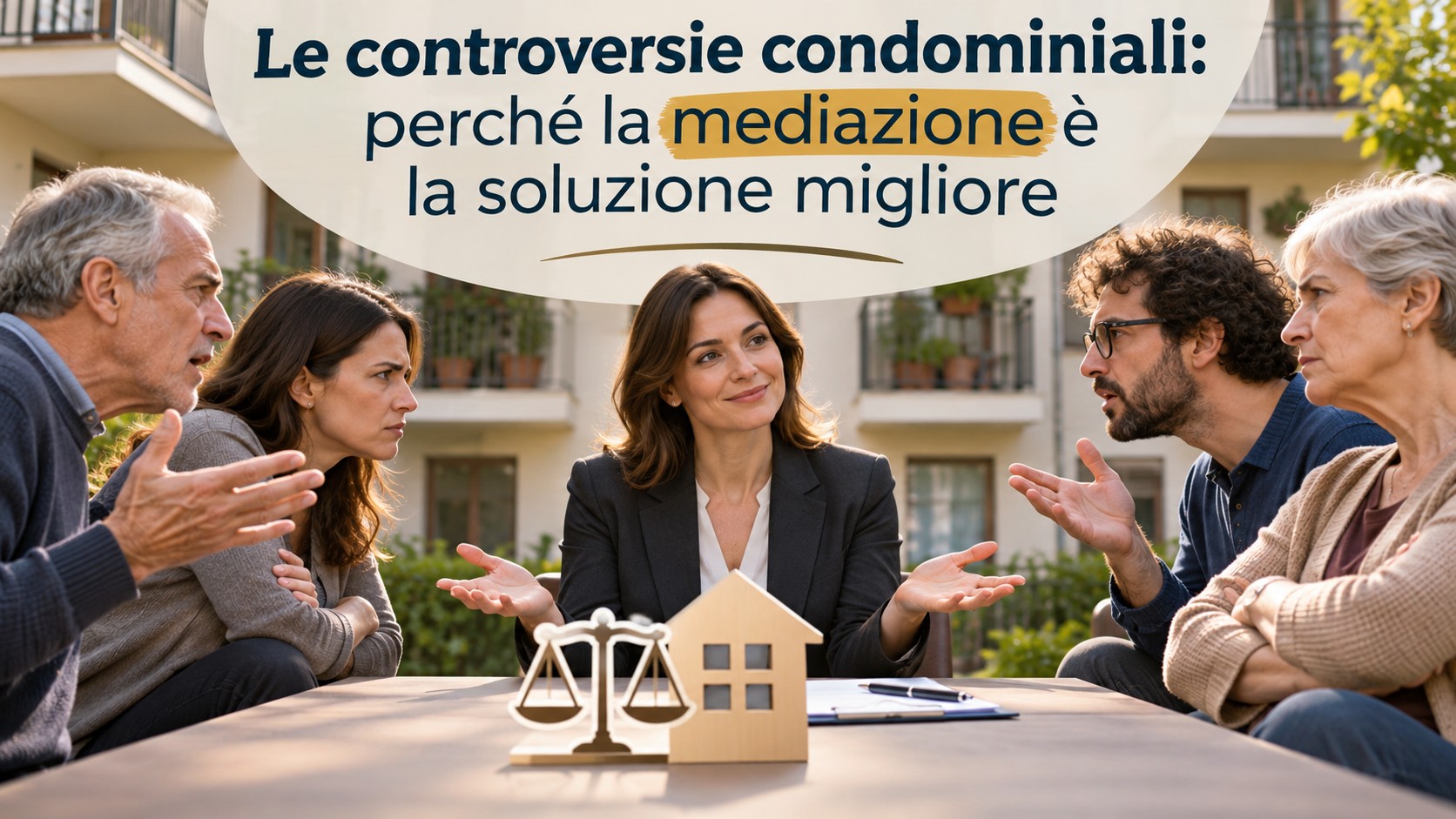
Property rights and mediation: a way to resolve disputes
Property rights are a cornerstone of civil law. They have often been treated as fixed arrangements reflecting long-established relationships. A changing society, however, calls for more flexible and effective ways to resolve disputes.
Mediation offers room for dialogue and settlement in disputes over property rights. Its flexibility allows the parties to address complex matters such as easements, long-term rights of use over land, co-ownership and acquisition through long possession, opening the way to creative, shared solutions.
These disputes often involve human and family relationships as well as legal issues. An impartial and confidential mediator helps the parties communicate and understand one another, building the trust needed to seek an agreement that satisfies everyone involved.
Tax incentives associated with mediation can further reduce the financial burden and encourage the use of this alternative to ordinary proceedings.
Mediation provides a straightforward and potentially less costly route than traditional litigation. Its flexibility and attention to the human side of a dispute help the parties work towards constructive and lasting outcomes.
Benefits for property disputes
- Flexibility: adapting to complex circumstances and the parties' particular needs.
- Effectiveness: seeking prompt, agreed solutions while avoiding lengthy litigation.
- Savings: reducing legal and expert costs.
- Confidentiality: protecting private and sensitive information.
- Voluntary participation: the parties participate freely and knowingly, with the option of withdrawing.
- Lasting agreements: shared solutions are more likely to be respected over time.
Mediation offers a positive development in the resolution of property disputes: an efficient, economical alternative that takes human needs into account and encourages peaceful settlement.